
Demolition Works
All Services
Emergency Construction Services
Yes, we offer free estimates for all potential projects. Contact us to schedule a consultation.
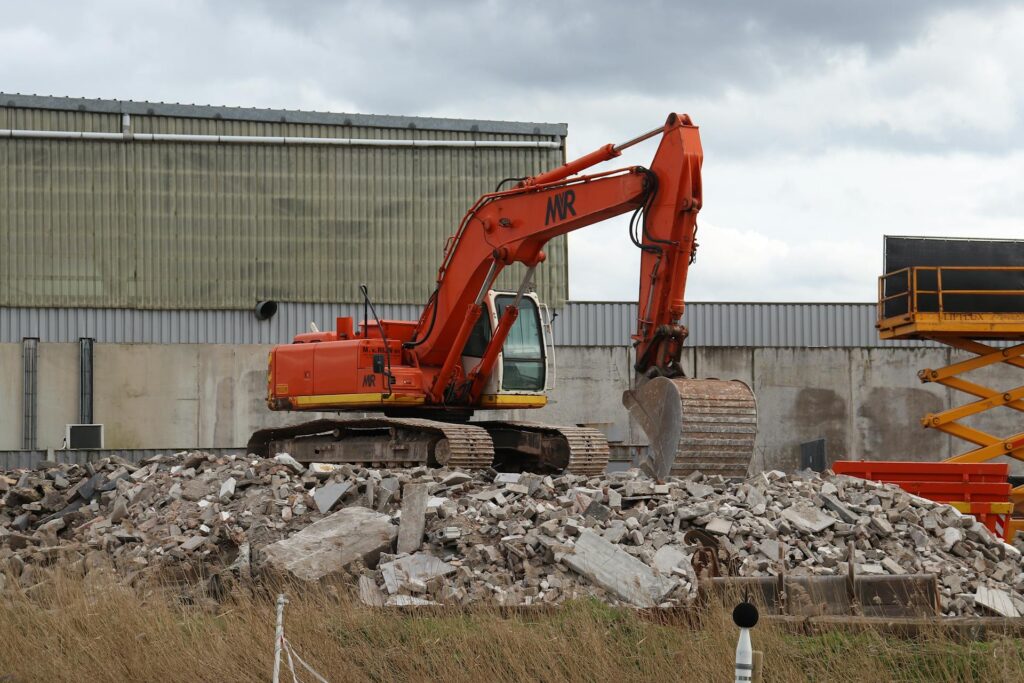
Demolition Works Service Overview
Demolition works involve the safe and systematic dismantling, removal, or destruction of buildings, structures, and infrastructure. This service is a critical phase in redevelopment, renovation, and infrastructure improvement projects. Modern demolition techniques focus on precision, safety, environmental responsibility, and efficiency.
Whether removing a single structure or clearing an entire site, demolition works are carried out with careful planning and specialized equipment to ensure minimal risk and maximum control.
What Are Demolition Works?
Demolition works refer to the controlled process of tearing down structures such as residential buildings, commercial complexes, industrial facilities, bridges, and concrete foundations. The goal is to remove unwanted or unsafe structures while protecting nearby properties, utilities, and the surrounding environment. Demolition can be partial or total, depending on project requirements.
How the Process Works
The process begins with a detailed site assessment and structural analysis. Hazardous materials such as asbestos are identified and removed if present. Utilities are disconnected, and safety zones are established.
The chosen demolition method is then applied using appropriate machinery or manual techniques. Debris is sorted, removed, and transported for recycling or disposal. The site is finally cleaned and prepared for the next phase of construction or development.
Types of Demolition Methods
Different demolition techniques are used based on structure size, location, materials, and safety requirements.
Mechanical Demolition
Mechanical demolition uses heavy machinery such as excavators, bulldozers, and hydraulic breakers to tear down structures. It is commonly used for large buildings and industrial facilities where speed and power are essential.
Controlled or Selective Demolition
Selective demolition involves carefully removing specific parts of a structure while preserving others. This method is used in renovation projects where only certain sections need to be removed.
Manual Demolition
Manual demolition is carried out using hand tools and small equipment. It is suitable for small structures, interior demolition, or areas with limited access.
Implosion Demolition
Implosion uses controlled explosives to collapse large structures inward. This method is used for high-rise buildings and large industrial structures where space and safety conditions permit.
Applications of Demolition Works
Demolition services are used across a wide range of construction and redevelopment projects.
Residential Demolition
Old or unsafe houses and residential buildings are demolished to make way for new developments.
Commercial and Industrial Demolition
Factories, warehouses, shopping centers, and office buildings are demolished for redevelopment or site expansion.
Infrastructure Removal
Demolition works are used to remove bridges, roads, chimneys, silos, and other infrastructure components.
Interior Demolition for Renovations
In renovation projects, interior walls, floors, ceilings, and fixtures are removed to reconfigure spaces.
Benefits of Professional Demolition Works
Professional demolition services offer significant advantages over unplanned or manual removal.
Safety and Risk Control
Demolition involves structural instability, falling debris, and heavy machinery. Professional planning and execution minimize risks to workers and nearby properties.
Efficiency and Speed
Modern equipment and skilled operators allow large structures to be demolished quickly, keeping projects on schedule.
Precision and Control
Controlled demolition techniques allow specific areas to be removed without damaging adjacent structures.
Environmental Responsibility
Materials such as concrete, steel, and wood can be sorted and recycled, reducing landfill waste and environmental impact.
Equipment Used in Demolition Works
Specialized machinery and tools are required to carry out demolition safely and efficiently.
Excavators and Bulldozers
These machines are used to push, pull, and break down large structural elements.
Hydraulic Breakers and Crushers
Hydraulic attachments break concrete, masonry, and reinforced structures into smaller pieces.
Cranes and Wrecking Balls
Cranes are used for high-rise demolition and heavy lifting. Wrecking balls may be used in specific large-scale projects.
Cutting and Dismantling Tools
Saws, torches, and shears are used for cutting steel beams, pipes, and reinforcement bars.
Safety Considerations in Demolition Works
Safety is the highest priority in all demolition operations.
Site Assessment and Planning
A detailed demolition plan is developed based on structural analysis, surrounding conditions, and risk assessment.
Utility Disconnection
All water, gas, electricity, and communication lines are disconnected before demolition begins.
Personal Protective Equipment
Workers must wear helmets, gloves, eye protection, steel-toe boots, and high-visibility clothing. Respiratory masks may be required in dusty environments.
Dust and Noise Control
Water sprays, dust screens, and noise barriers are used to minimize environmental disturbance.
Environmental and Regulatory Compliance
Demolition works must follow strict environmental and legal guidelines.
Hazardous Material Handling
Asbestos, lead paint, and other hazardous materials are removed and disposed of according to regulations.
Waste Management and Recycling
Debris is sorted on-site or off-site to recover recyclable materials such as metal and concrete.
Permits and Legal Requirements
Demolition projects require permits and approvals from local authorities. Compliance ensures lawful and responsible operations.
Quality Control and Site Clearance
Maintaining quality standards ensures a clean and ready-to-use site.
Controlled Debris Removal
Debris is removed in stages to prevent overloading and ensure site safety.
Final Site Cleaning
The site is cleared of rubble, dust, and leftover materials, preparing it for new construction.
Ground Leveling
After demolition, the ground is leveled and compacted if required for future development.