
Microtrenching
All Services
Emergency Construction Services
Yes, we offer free estimates for all potential projects. Contact us to schedule a consultation.
Microtrenching Service Overview
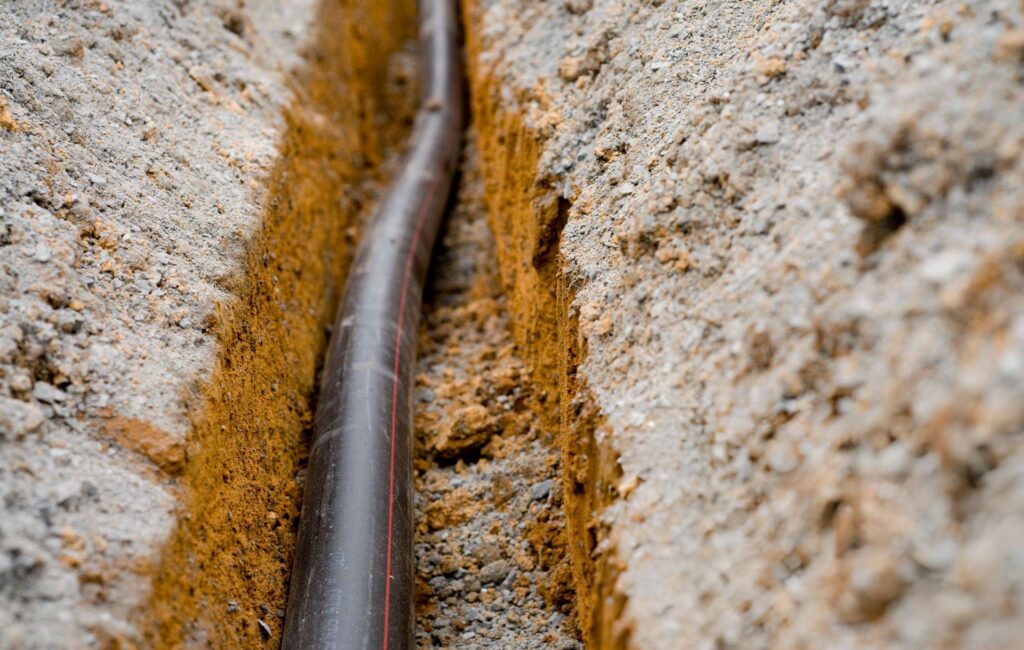
Microtrenching is a modern, minimally invasive excavation technique used to install underground utilities such as fiber-optic cables, electrical lines, and small-diameter pipelines. It involves cutting a narrow, shallow trench along roads, sidewalks, or landscaped areas to place conduits or cables quickly and efficiently.
Compared to traditional trenching, microtrenching causes far less surface disruption, making it an ideal solution for urban environments, busy roadways, and areas where restoration costs and traffic disruption must be kept to a minimum.
What Is Microtrenching?
Microtrenching is the process of creating a narrow trench typically between 30 mm and 150 mm wide and up to 600 mm deep, using specialized cutting equipment. This trench is used to lay communication cables, ducts, or small utility lines. After installation, the trench is backfilled and sealed with rapid-setting materials, restoring the surface to near-original condition within a short time.
How the Process Works
The process begins with route planning and marking existing underground utilities to avoid damage. A microtrenching machine then cuts a precise slot into the surface along the planned route. The removed material is collected to keep the site clean.
Cables or conduits are placed into the trench, after which the trench is backfilled with suitable material and sealed. Final surface restoration ensures the area is safe and visually consistent with the surroundings.
Applications of Microtrenching
Microtrenching is widely used across infrastructure and utility installation projects.
Fiber-Optic and Telecommunications Networks
One of the most common uses of microtrenching is the installation of fiber-optic cables for high-speed internet and communication networks. It allows rapid deployment with minimal impact on roads and sidewalks.
Electrical and Data Cables
Microtrenching is used to lay low-voltage electrical lines and data cables in urban and commercial developments, providing a clean and efficient installation method.
Smart City Infrastructure
In smart city projects, microtrenching supports the installation of sensors, monitoring systems, and communication lines needed for intelligent traffic control, lighting, and public safety systems.
Utility Connections and Service Lines
Small-diameter water, gas, and service lines for buildings and residential developments can be installed using microtrenching where regulations permit.
Benefits of Microtrenching
Microtrenching offers numerous advantages over conventional excavation methods.
Minimal Surface Disruption
Because the trench is narrow and shallow, microtrenching significantly reduces damage to pavements, sidewalks, and landscaping. This lowers restoration costs and shortens project timelines.
Faster Installation
Microtrenching equipment can cut and prepare trenches quickly, allowing long distances to be completed in a single day. This makes it ideal for time-sensitive projects.
Reduced Traffic and Public Impact
The limited excavation footprint allows work to be carried out with minimal lane closures and pedestrian disruption, making it well suited for dense urban areas.
Cost Efficiency
Lower labor requirements, reduced material removal, and minimal surface restoration result in lower overall project costs compared to traditional trenching.
Environmentally Friendly Approach
Microtrenching produces less waste material and reduces emissions from heavy excavation equipment. It also preserves existing surfaces and landscaping.
Equipment Used in Microtrenching
Specialized machinery and tools are required to achieve precise and consistent results.
Microtrenching Machines
These machines are equipped with diamond or carbide cutting wheels that slice through asphalt, concrete, or soil to create narrow trenches. They are available in walk-behind and ride-on models for different project scales.
Vacuum and Debris Collection Systems
Integrated vacuum systems collect dust and excavated material during cutting. This keeps the worksite clean and improves visibility and safety.
Cable and Conduit Placement Tools
Specialized tools are used to guide cables or conduits into the trench accurately, ensuring proper alignment and protection.
Backfilling and Sealing Equipment
Rapid-setting grout, asphalt, or polymer-based fillers are used to backfill and seal the trench. This equipment ensures a smooth and durable surface finish.
Surface Restoration After Microtrenching
Proper restoration is essential for long-term performance and public safety.
Backfilling the Trench
After cables or conduits are installed, the trench is filled with approved backfill material that provides strength, flexibility, and protection.
Surface Sealing and Finishing
The surface is sealed with materials that match the surrounding pavement or sidewalk. This ensures a uniform appearance and prevents water infiltration.
Final Inspection
The restored surface is inspected to confirm proper compaction, alignment, and finish quality. Any imperfections are corrected before project completion.
Safety Considerations in Microtrenching
Safety is a critical component of all microtrenching operations.
Utility Detection and Mapping
Before cutting begins, underground utilities are identified and marked to prevent accidental damage. This step is essential for avoiding service interruptions and hazards.
Operator Training and Skill
Skilled operators are required to control cutting depth, machine alignment, and speed. Proper technique ensures clean trenches and prevents surface damage.
Personal Protective Equipment
Workers must wear safety helmets, gloves, eye protection, high-visibility clothing, and hearing protection. Respiratory masks may be required in dusty environments.
Traffic and Pedestrian Management
In public areas, barriers, warning signs, and traffic control measures are used to protect pedestrians and vehicles.
Quality Control and Performance
Maintaining high standards ensures durable and reliable installations.
Depth and Width Accuracy
The trench dimensions are continuously monitored to meet design specifications and regulatory requirements.
Cable Protection and Alignment
Proper placement and spacing of cables or conduits prevent future damage and simplify maintenance.
Seal Integrity
The quality of backfilling and sealing is inspected to ensure long-term durability and resistance to weather and traffic loads.
Choosing a Microtrenching Service
Selecting a reliable microtrenching service is essential for project success.
Experience and Technical Expertise
An experienced service provider understands local regulations, surface conditions, and utility installation requirements, ensuring efficient and compliant execution.
Modern Equipment and Technology
Up-to-date microtrenching machines and restoration tools improve precision, productivity, and surface finish quality.
Compliance with Safety and Environmental Standards
A reputable service follows industry safety protocols and environmental guidelines, ensuring responsible operations.