
Underwater Inspections
All Services
Emergency Construction Services
Yes, we offer free estimates for all potential projects. Contact us to schedule a consultation.
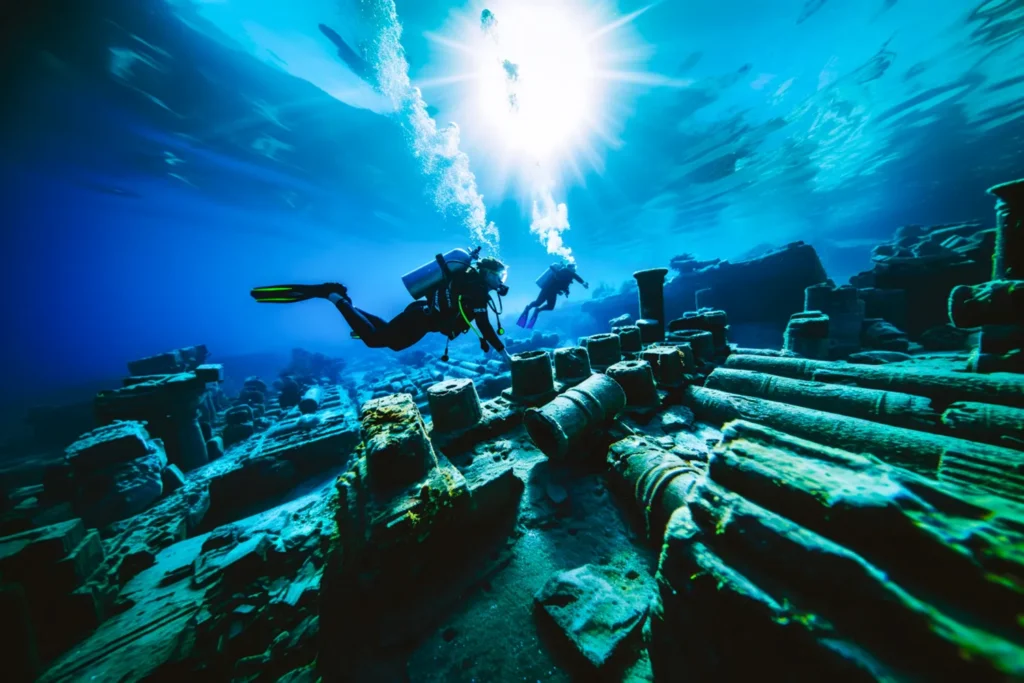
Underwater Inspections Service Overview
Underwater inspections are specialized examinations of submerged structures, assets, and environments to assess their condition, integrity, and performance. This service plays a critical role in maintaining marine, offshore, and inland water infrastructure. It is widely used for ports, bridges, dams, pipelines, offshore platforms, and vessels.
Underwater inspections provide accurate, real-time information about hidden or hard-to-reach areas, helping prevent failures, reduce maintenance costs, and ensure safety and regulatory compliance.
What Are Underwater Inspections?
Underwater inspections involve visual, mechanical, and electronic examination of structures located below the water surface. These inspections are carried out by trained commercial divers or remotely operated vehicles (ROVs), depending on water depth, visibility, and site conditions. The goal is to detect damage, corrosion, cracks, scouring, biofouling, and structural defects before they become critical problems.
How the Process Works
The inspection process begins with planning and risk assessment, including a review of structure drawings, historical data, and environmental conditions. The inspection team then mobilizes divers or ROV systems equipped with cameras, lights, and measurement tools. Visual surveys are conducted, and high-resolution images and videos are recorded.
Where required, thickness measurements, sonar scanning, or non-destructive testing methods are applied. All findings are documented in a detailed inspection report with recommendations for repair or maintenance.
Types of Underwater Inspections
Different inspection methods are used depending on project requirements and site conditions.
Diver-Based Inspections
Commercial divers perform hands-on inspections, allowing close visual examination, manual measurements, and minor cleaning of surfaces. This method is ideal for shallow waters and areas requiring direct physical interaction.
ROV Inspections
Remotely operated vehicles are used in deep, hazardous, or low-visibility environments. They are equipped with cameras, sonar, and sensors, providing safe and efficient data collection without putting divers at risk.
Sonar and Acoustic Inspections
Sonar technology is used to map underwater structures and seabeds, especially in turbid or dark waters where visibility is poor. It provides accurate imaging of submerged components and surrounding terrain.
Applications of Underwater Inspections
Underwater inspections are essential across a wide range of industries and infrastructure projects.
Bridge and Pier Inspections
Submerged bridge foundations, piers, and piles are inspected for cracks, scour, corrosion, and structural movement. This ensures long-term safety and stability.
Port and Harbor Infrastructure
Wharves, jetties, quay walls, and mooring systems are inspected to assess wear, damage, and marine growth that may affect operations.
Dams and Hydroelectric Facilities
Underwater inspections of dam faces, spillways, and intake structures help detect erosion, leaks, and structural defects.
Offshore Platforms and Wind Farms
Subsea foundations, pipelines, and support structures are inspected to ensure integrity and regulatory compliance.
Ship Hull and Propeller Inspections
Vessels are inspected for hull damage, corrosion, biofouling, and propeller condition, supporting maintenance planning and fuel efficiency.
Pipelines and Subsea Cables
Underwater pipelines and communication cables are inspected for displacement, damage, or exposure caused by currents and seabed movement.
Benefits of Underwater Inspections
Underwater inspections offer significant operational and financial advantages.
Early Detection of Defects
Identifying problems at an early stage prevents costly repairs and reduces the risk of sudden failures.
Improved Safety
Regular inspections ensure that underwater structures remain safe for public use and operational activities.
Extended Asset Life
Timely maintenance based on inspection findings extends the service life of marine and underwater assets.
Cost Efficiency
Preventive inspections reduce emergency repair costs and unplanned downtime.
Regulatory Compliance
Underwater inspections help meet legal and industry standards for safety and environmental protection.
Equipment Used in Underwater Inspections
Specialized tools and systems are used to achieve accurate and reliable results.
Diving Equipment
Commercial diving suits, breathing systems, communication units, and lighting are used for safe diver operations.
Remotely Operated Vehicles
ROVs are fitted with cameras, sonar, lights, and robotic arms for data collection and minor intervention tasks.
Inspection Cameras and Lighting
High-definition underwater cameras and powerful LED lights provide clear visuals even in low-visibility conditions.
Measurement and Testing Tools
Thickness gauges, ultrasonic testers, and corrosion measurement devices are used for non-destructive testing.
Safety Considerations in Underwater Inspections
Safety is the highest priority in all underwater inspection operations.
Risk Assessment and Planning
Each inspection is planned with consideration of water depth, currents, visibility, temperature, and potential hazards.
Diver Training and Certification
Commercial divers must be properly trained and certified to handle underwater inspection tasks safely.
Emergency and Rescue Procedures
Rescue plans, standby divers, and medical support are arranged to respond to emergencies.
Equipment Inspection and Maintenance
All diving and ROV equipment is checked and maintained regularly to prevent failures.
Quality Control and Performance
Maintaining quality standards ensures reliable inspection outcomes.
Data Collection and Documentation
Photos, videos, and measurements are recorded systematically for accurate condition assessment.
Detailed Inspection Reports
Reports include findings, defect locations, severity ratings, and recommendations for repair or monitoring.
Historical Data Comparison
Inspection results are compared with previous records to track deterioration trends and performance changes.
Choosing an Underwater Inspections Service
Selecting a reliable service provider is essential for accurate and safe inspections.
Experience and Technical Expertise
An experienced team understands underwater environments, inspection methods, and asset behavior.
Advanced Technology and Equipment
Modern ROV systems, sonar tools, and inspection devices improve accuracy and efficiency.
Compliance with Safety and Industry Standards
A reputable service follows diving safety regulations and industry best practices.